21.5 Halide Group
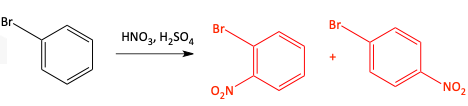
Because halides are pretty electronegative, they suck electron density out of an aromatic ring. This causes the aromatic ring to react slowly in an aromatic electrophilic substitution reaction. The halide is therefore a deactivating group. But, halides are a little different than other deactivating groups. Most deactivating groups like carbonyl or nitro groups are meta-directing. Halides, because they have lone-pairs of electrons on them, can help stabilize a carbocation through resonance much like alkoxy (oxygen lone pair) or amino (nitrogen lone pair) groups did. Therefore, halides are not meta-directing, but they are ortho-para directing like electron-donating, activating groups are.
The nitration of chlorobenzene leads to mostly the ortho-para products because chloride is an o,p-director (even though the reaction is slow because chloride deactivates the ring).
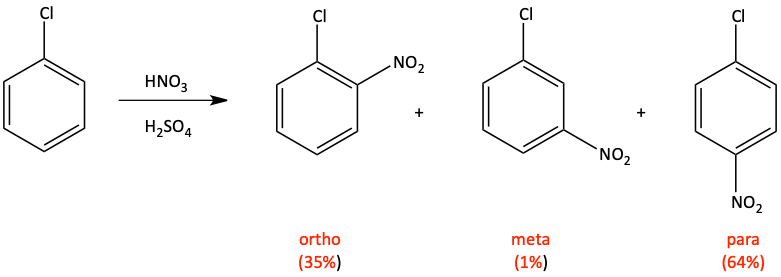
Summary
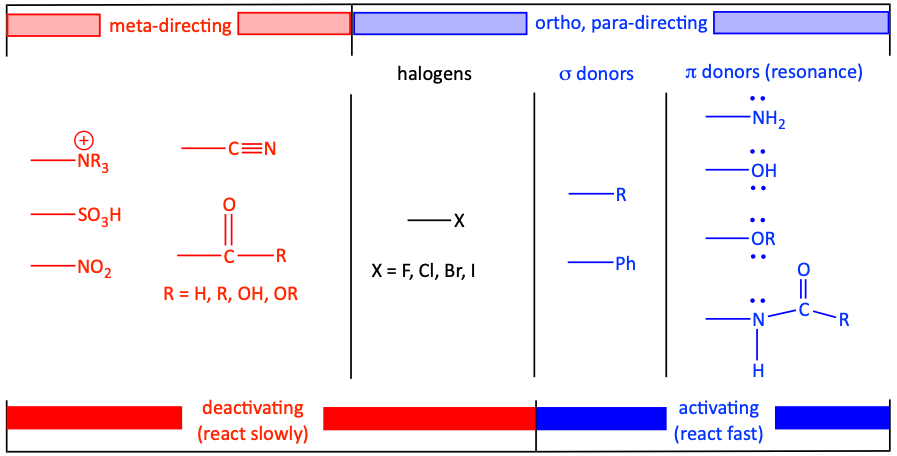
Summary of the Directing Effects of Substituents
We have seen previously that the amino group of aniline (aminobenzene) is a very activating, ortho-para, director. In fact, the bromination of aniline happens quite fast at all of the ortho and para sites giving 2,4,6-tribromoaniline.
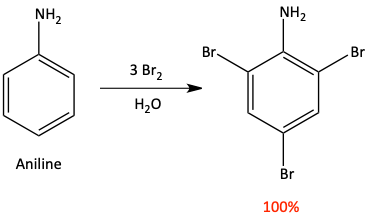
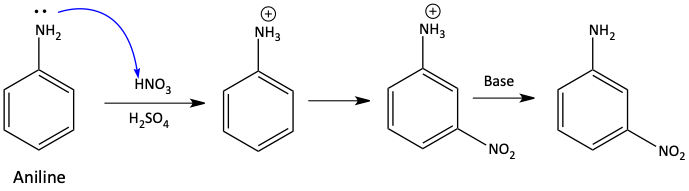
Interestingly, the nitration of aniline is quite different. When aniline reacts with nitric and sulfuric acid, the reaction is slow and gives primarily meta-nitroaniline. The reason this occurs is the nitrogen atom of the amino group of aniline is basic. It is protonated under the acidic conditions of the nitration to become a quaternary amino salt, -NH3+, a deactivating, meta-directing group.
3. Draw the products of the following reactions.
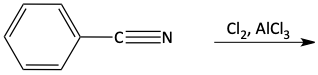
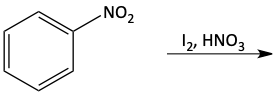
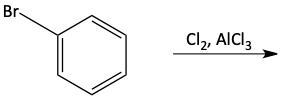
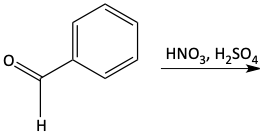
d)
3.